
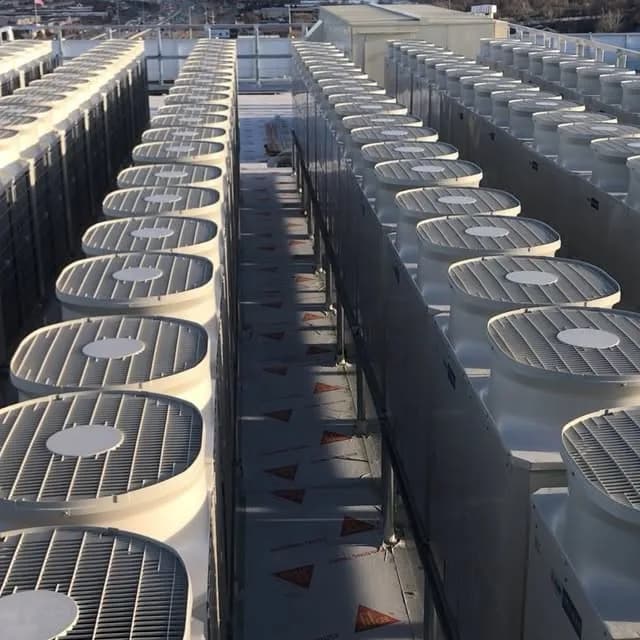
VRF/VRV Systems
Advanced Variable Refrigerant Flow Solutions for Superior Comfort and Efficiency
What Are VRF/VRV Systems?
Understanding Variable Refrigerant Flow Technology
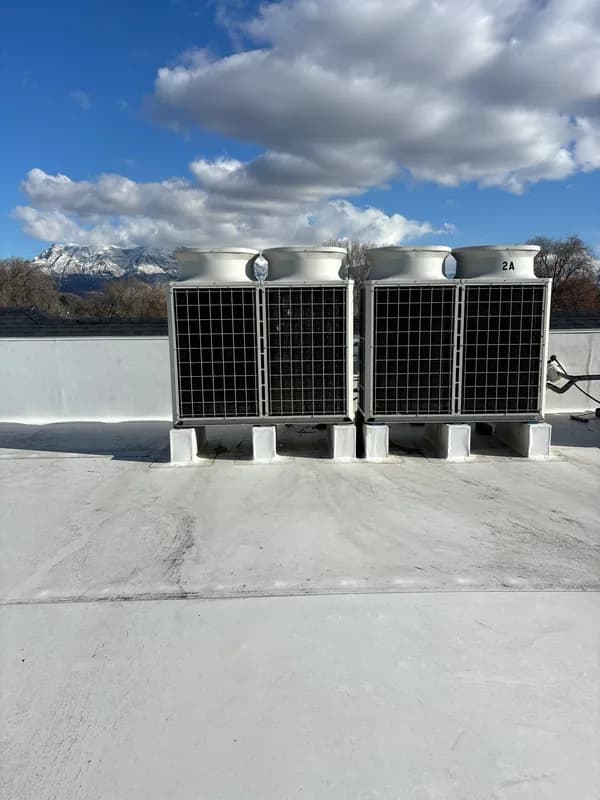
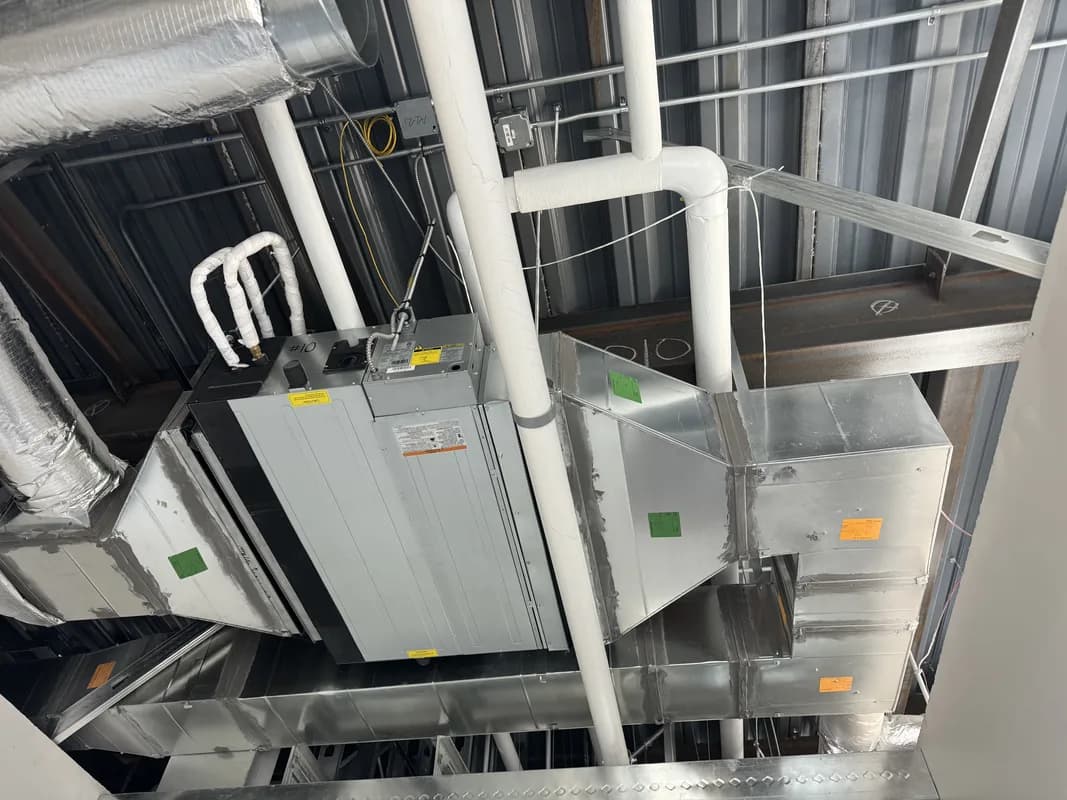
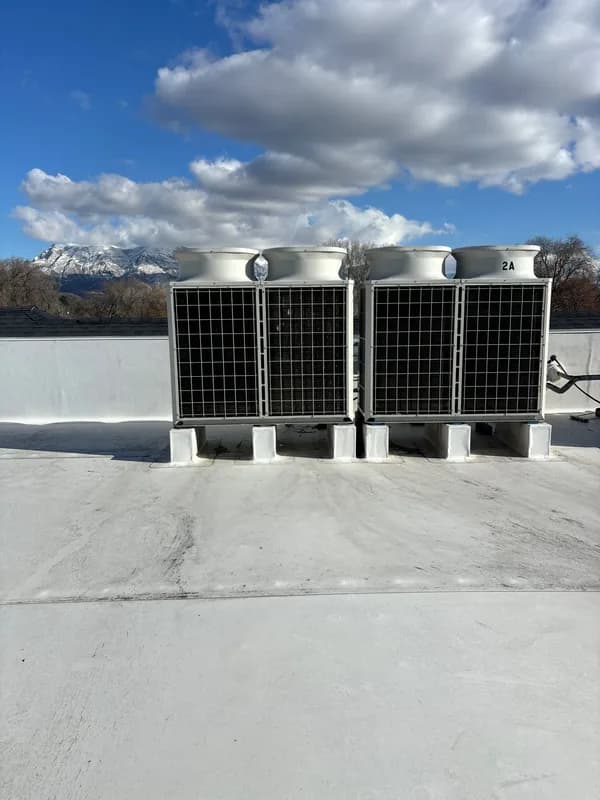
VRF (Variable Refrigerant Flow) and VRV (Variable Refrigerant Volume) systems represent the cutting edge of commercial HVAC technology. These systems use refrigerant as the direct heating and cooling medium, circulating it through indoor units distributed throughout your facility. Unlike traditional systems with fixed-speed compressors, VRF systems adjust compressor speed and refrigerant flow to precisely match your heating and cooling needs at any moment.
The result is a system that provides exceptional comfort while consuming significantly less energy than conventional HVAC solutions. VRF technology has become the preferred choice for facility managers seeking to balance comfort, efficiency, and operational flexibility.
How VRF Systems Work
The Technology Behind Superior Performance
Inverter-Driven Compressor
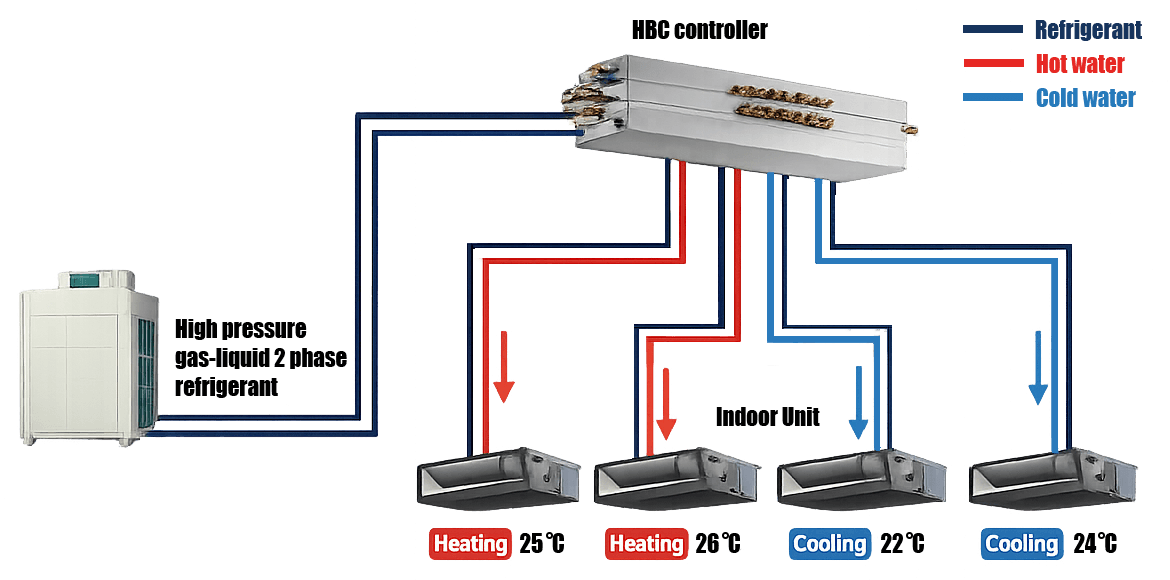
The compressor adjusts its speed based on cooling or heating demand, rather than cycling on and off like traditional systems. This continuous modulation maintains precise temperature control while minimizing energy waste.
Heat Recovery Technology
Advanced VRF systems recover waste heat from cooling operations and redirect it to heating zones. This heat transfer capability dramatically improves efficiency, especially in facilities with simultaneous heating and cooling needs.
Intelligent Zoning
Individual indoor units operate independently, each maintaining its own setpoint temperature. Zones can demand cooling while others demand heating without interfering with each other.
Variable Refrigerant Flow
The system modulates refrigerant flow to match actual demand in each zone. This eliminates the oversizing and inefficiency common in traditional systems.
Benefits of VRF Systems
Why Leading Utah Facilities Choose VRF
30-50% Energy Savings
Advanced inverter technology and heat recovery functions significantly reduce operating costs compared to traditional systems. Many of our clients report 40% energy reductions within the first year of operation.
Individual Zone Comfort
Each zone maintains its own temperature setpoint, eliminating comfort complaints and hot/cold spots. Facility managers report higher occupant satisfaction and reduced thermal comfort issues.
Minimal Ductwork Required
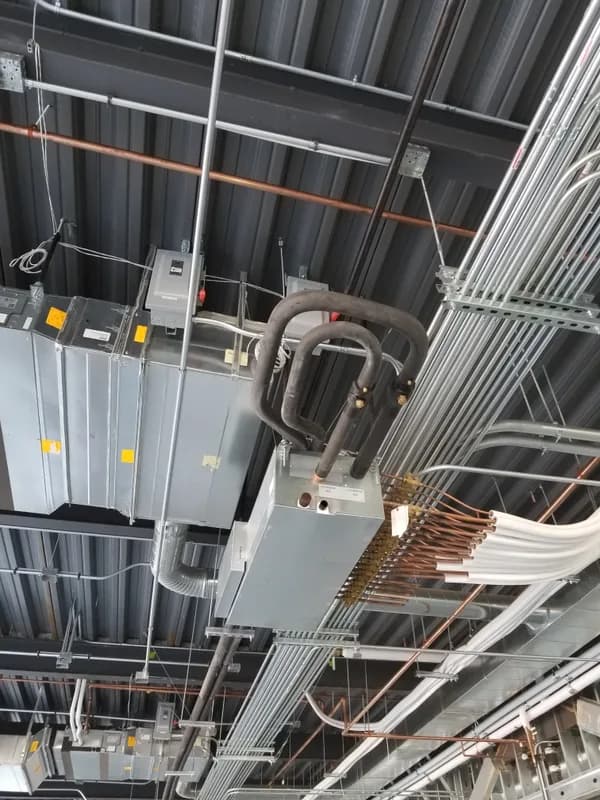
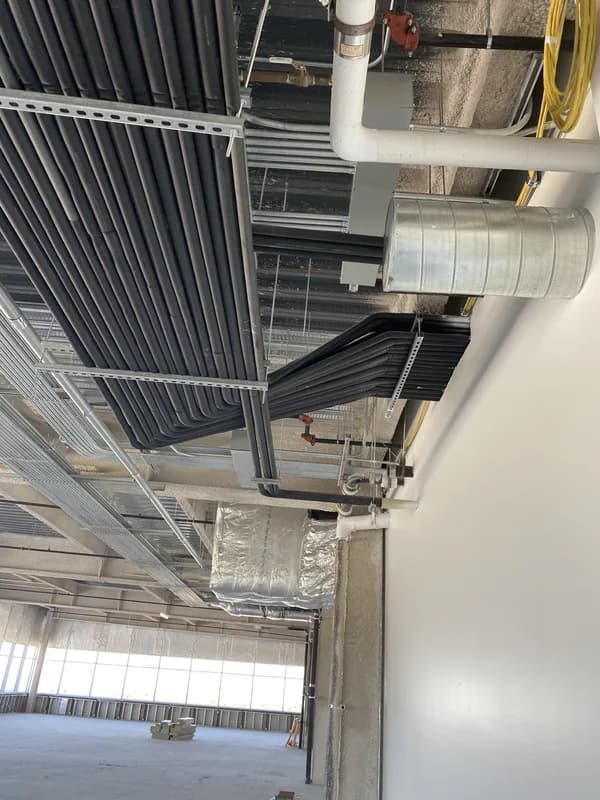
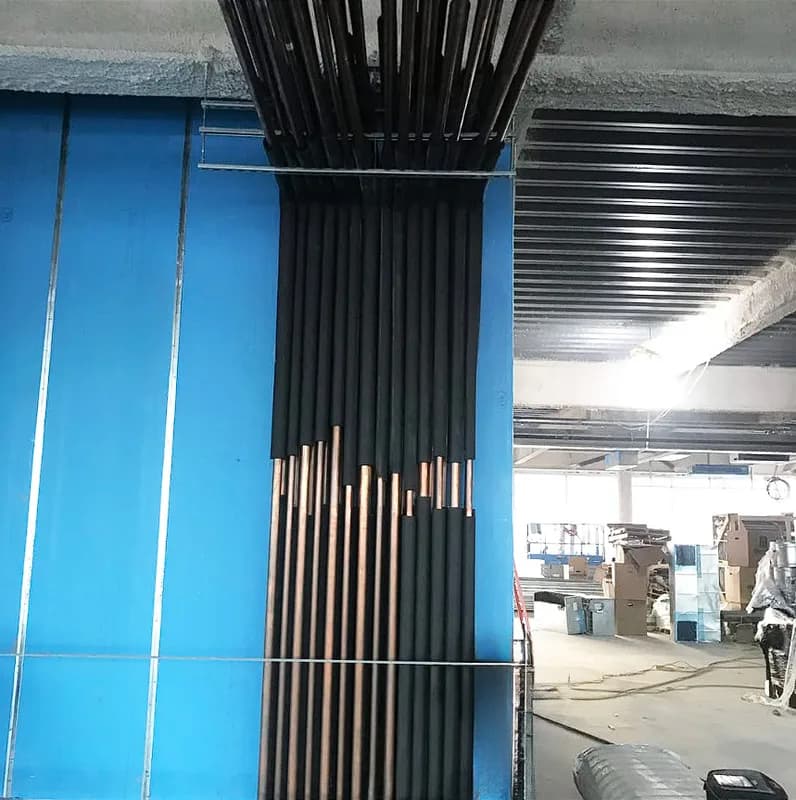
Refrigerant piping eliminates the need for extensive ductwork, reducing installation time and disruption. Retrofits are faster and less intrusive than traditional duct-based systems.
Quiet Operation
VRF indoor units operate at whisper-quiet levels, typically under 25 dB. The outdoor unit noise is contained outside, creating a comfortable environment for occupants.
Design Flexibility
Sleek indoor units fit seamlessly into modern commercial interiors. Ceiling-recessed cassettes, wall-mounted units, and floor-standing options adapt to your facility's aesthetic requirements.
Simultaneous Heating & Cooling
Heat recovery systems can heat some zones while cooling others, recovering energy from cooling for use in heating zones. Perfect for multi-tenant buildings with varying occupancy patterns.
Commercial Applications
VRF Solutions for Every Facility Type
Office Buildings
Modern office buildings require flexible temperature control for various zones. VRF systems adapt to changing occupancy and building load patterns, providing occupant comfort while optimizing energy use. Executive offices, open plans, and conference rooms each maintain ideal conditions.
Hotels & Hospitality
Guest rooms, common areas, kitchens, and back-of-house operations have vastly different temperature requirements. VRF systems provide independent control for each zone while recovering energy from cooling kitchens to heat guest rooms during moderate seasons.
Retail Spaces
Display areas, back rooms, and customer zones require precise environmental control. VRF systems maintain comfortable shopping environments while reducing the energy penalty of entrance doors and large glass facades.
Healthcare Facilities
Operating rooms, patient wings, waiting areas, and support spaces all demand reliability and independent control. VRF systems meet demanding healthcare standards while providing energy efficiency and quiet operation.
Mixed-Use Developments
Multi-tenant buildings combining office, retail, and commercial spaces benefit greatly from VRF flexibility allowing each zone independent control. Each tenant maintains independent comfort control without disrupting shared building systems.
Retrofit & Renovation
Aging buildings face challenges retrofitting modern HVAC systems. VRF's minimal ductwork requirements make retrofits faster, cleaner, and less disruptive than traditional approaches. Existing spaces get modern comfort without major renovation.
Precision's VRF Expertise
Industry-Leading Manufacturers and Installation Excellence
Precision Air Management partners with the leading VRF manufacturers to deliver the most advanced systems available. Our technicians are factory-trained and certified on all major brands.
Mitsubishi
Industry pioneer in VRF technology with proven reliability in commercial applications. Mitsubishi systems lead in efficiency and innovation.
Daikin
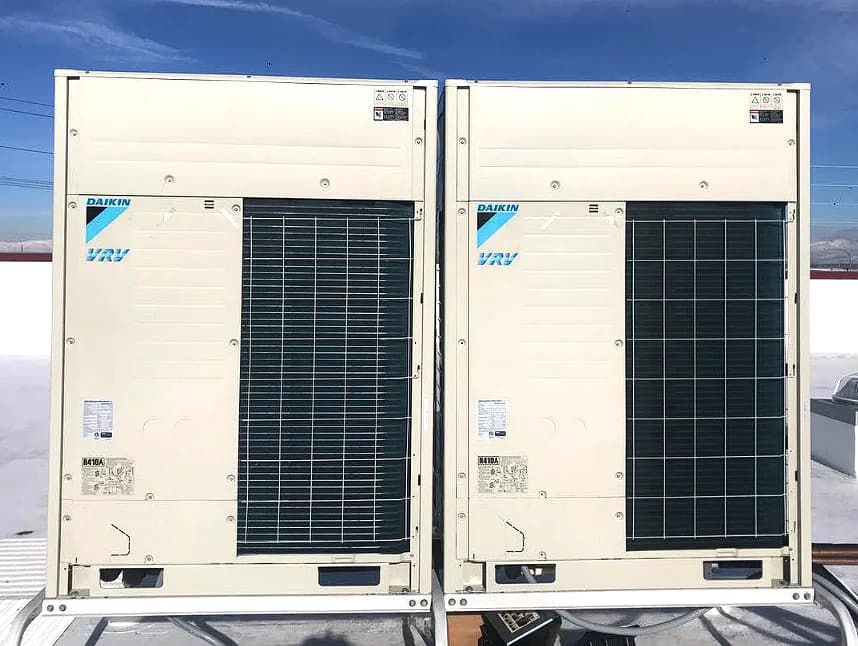
Global HVAC leader offering comprehensive VRF solutions with exceptional energy performance and design flexibility.
LG
Advanced VRF systems combining high efficiency with modern control capabilities and sleek design options.
Notable Projects
- Multi-floor office renovation with 15+ zones of precise temperature control
- Healthcare facility with stringent comfort and reliability requirements
- Hotel with heat recovery capturing cooling for guest room heating
- Retail complex achieving 45% energy reduction over baseline
The VRF Installation Process
From Consultation to Commissioning
Consultation & Assessment
We evaluate your facility's layout, load requirements, occupancy patterns, and aesthetic requirements to design the optimal VRF system.
ACCA Design & Engineering
Our ACCA-certified engineers perform load calculations, pipe sizing, and control strategy design to ensure optimal system performance.
Professional Installation
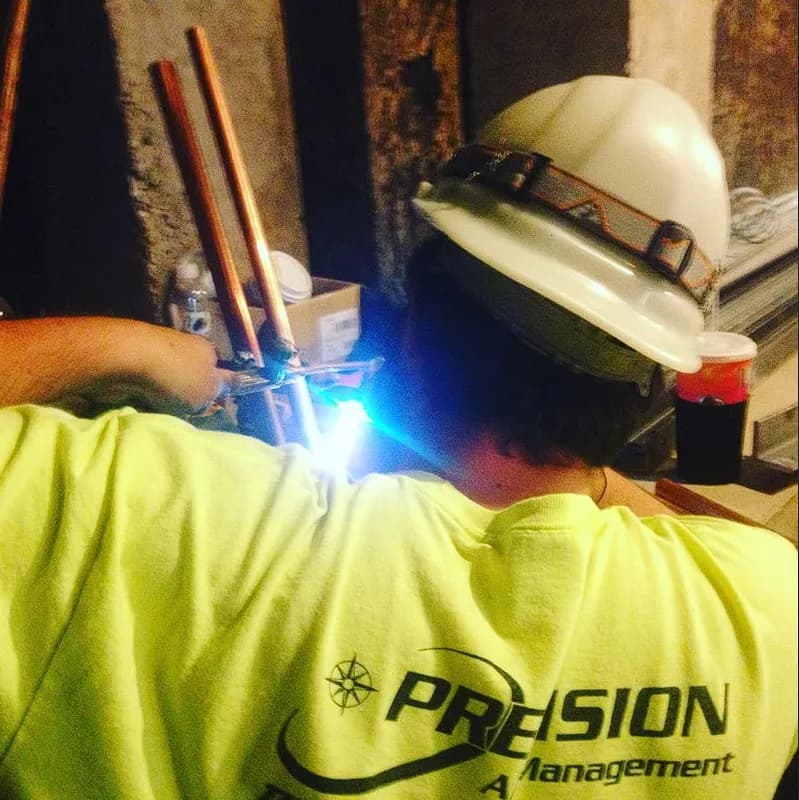
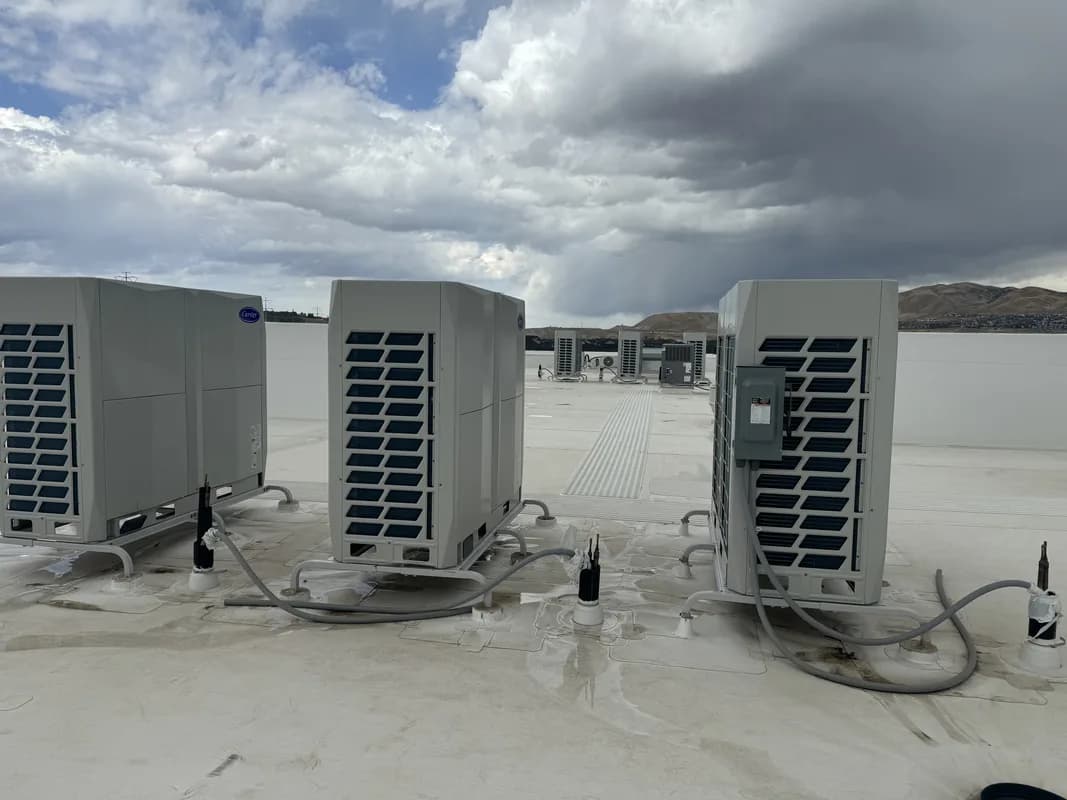
Factory-trained technicians perform precise installation, including refrigerant piping, electrical connections, and unit placement.
Testing & Commissioning
Comprehensive system testing, refrigerant charging, controls programming, and occupant training ensure perfect operation from day one.
Ongoing Support
After commissioning, we provide comprehensive maintenance plans to keep your VRF system operating at peak efficiency. Regular service includes refrigerant verification, coil cleaning, filter replacement, and performance monitoring.
Frequently Asked Questions
Everything You Need to Know About VRF Systems
What is VRF and how does it differ from traditional HVAC?
Variable Refrigerant Flow (VRF) systems use refrigerant as the cooling/heating medium distributed through multiple indoor units. Unlike traditional systems with fixed compressor speeds, VRF units vary refrigerant flow to match actual load, providing superior efficiency and zone control. This inverter-driven approach can reduce energy consumption by 30-50% compared to conventional systems.
Are VRF systems suitable for retrofit projects?
Yes, VRF systems are excellent for retrofits. They require minimal ductwork modification, reducing disruption to tenants. Existing spaces can often accommodate slim indoor wall or ceiling cassette units with minimal aesthetic impact. We've successfully retrofitted VRF systems into office buildings, retail spaces, and healthcare facilities throughout Utah.
What are the maintenance requirements for VRF systems?
VRF systems require professional servicing annually, including refrigerant charge verification, filter changes, and system diagnostics. Smart monitoring systems can alert you to maintenance needs before problems develop. We offer comprehensive maintenance plans that keep your system at peak efficiency year-round.
How do VRF systems handle Utah's climate extremes?
Modern VRF systems operate reliably in Utah's winter cold and summer heat. Low-temperature heating modes ensure efficient operation during cold winters, while advanced refrigerant management handles summer peak loads. Our systems are selected and installed specifically to handle Salt Lake Valley conditions.
What is the expected lifespan of a VRF system?
With proper maintenance, VRF systems typically last 15-20 years. Compressors are often warrantied for 10 years, with regular service extending overall system life significantly. We maintain documentation proving proper maintenance for warranty coverage.
Can VRF systems handle simultaneous heating and cooling?
Yes, this is one of VRF's major advantages. Heat recovery VRF systems can heat some zones while cooling others simultaneously, using recovered waste heat to reduce energy consumption. This is perfect for multi-tenant buildings with varying tenant requirements.
Related Services
Complementary HVAC Solutions
Ready to Experience VRF Performance?
Schedule a free VRF system evaluation for your commercial facility. Precision Air Management's experts will assess your needs and provide a detailed proposal.